Louisiana Weakened Community Air Monitoring As Industry Pushed Back
That stretch of roughly 85 miles, widely known as “Cancer Alley,” is home to dozens of refineries and chemical plants and to many predominantly Black communities.


That stretch of roughly 85 miles, widely known as “Cancer Alley,” is home to dozens of refineries and chemical plants and to many predominantly Black communities.

Use these tips to start a conversation with your doctor about applying for a clinical trial for cancer and how to find one that’s right for you.

They are called “forever chemicals” because they do not naturally break down and accumulate in the environment, and they are linked to serious health problems such as cancer, kidney disease, liver problems, immune disorders and birth defects.

Discover why it’s never too late to adopt healthy habits. Learn how lifestyle changes benefit cancer survivors and older adults, improving longevity and quality of life.

The article argues Trump’s policies have undermined RFK Jr.’s MAHA agenda, citing disputes over glyphosate, vaccines, and key health appointments.

For cancer care, original Medicare with a Medigap plan and Part D can better protect against high costs.
Find out what skin care ingredients you should avoid for their toxic chemicals and damaging effects on your health.

As federal protections against cancer-linked “forever chemicals” are postponed, California lawmakers debate whether chemical manufacturers—or the public—should pay the enormous cleanup bill. Source: Trump EPA Delays Leave 1.5 Million Californians Exposed to PFAS in Drinking Water – LA Progressive

Here’s guidance on approaching the conversation with clarity, confidence and care.

Some of the chemicals in plastic products, such as bisphenol A (BPA), may increase cancer risk by disrupting hormones in the body.

Stanford Medicine-led research found that only one-third of women who pause hormone therapy to become pregnant resumed treatment and that the rates of recurrence in this population were doubled.

Investigating breast cancer and atrial fibrillation overlap, this study highlights key risk factors, underscoring the need for integrated prevention approaches.

Although fresh fruits and vegetables are some of the healthiest foods for you, conventional agriculture often uses chemical pesticides that may linger on your produce. In this article, get proven tips on how to wash vegetables and fruits, so you can protect your health and your family.

Tens of thousands of plaintiffs had sued Bayer, alleging that the active ingredient in Roundup has caused cancer and other health issues and that the company failed to follow state laws when it did not include a warning about cancer risk on its label.

A palliative medicine specialist explains how to put HER2-low metastatic breast cancer resources to use. Source: HER2-Low Metastatic Breast Cancer: Finding Community

A new report from the American Cancer Society shows 7 in 10 cancer patients are living at least 5 years post-diagnosis. Experts explain the reasons behind the trend.

Radiation oncologists report double-digit cuts and widespread risk of clinic closures in a national survey

Stanford Medicine breast surgeons are the first in the country to use a new technology that lights up cancer cells left behind when a tumor is removed.

A new study led by UC San Francisco has found an alarming rise in invasive breast cancer among Asian American women over the last two decades.

Read a refresh of breast cancer FDA news from June 2026, including several practice-changing approvals and the granting of priority review to a SERD. Source: FDA Flashback: Breast Cancer Decisions and News From June 2026 | OncLive

You didn’t cause this. Please, on top of everything else, do not assign yourself the blame of getting cancer.

For the first time ever, the World Health Organization (WHO) has published global five-year breast cancer survival estimates for women diagnosed with breast cancer between 2017 and 2021 for all its 194 Member States.

Environmental protection agency and independent studies have found food biggest source of chemical exposure

Among pre-menopausal women with early-stage HR+ breast cancer, adding ovarian suppression to tamoxifen improved survival and recurrence rates.
Scientists at the University of California, Los Angeles (UCLA) Health Sciences found that creatine may support key immune cells involved in identifying tumors and activating the body’s cancer-fighting defenses.

U.S. breast cancer deaths are no longer decreasing in women younger than 40, older than 74, or of Asian, Hispanic, or Native American descent. Experts share what they think is behind these and other disparities. Source: Your Breast Cancer Risk May Have Just Changed – What to Know

A groundbreaking study shows that breast cancer screening works better when it’s personalized. Instead of annual mammograms for all, women were screened based on genetics, health history, and lifestyle factors. This approach reduced advanced cancers without increasing risk for those screened less often. Most women preferred the personalized model, hinting at a major shift in […]

A lumpectomy plus radiation is very effective for treating stage zero cancer, but new research suggests that active monitoring may be just as good.

Breast cancer updates from ASCO 2026 include new ESR1 mutation data, endocrine therapy sequencing insights, and emerging questions in metastatic ER+/HER2− disease. Source: Key ESR1 Data from ASCO 2026: Implications for Breast Cancer Care

Researchers have solved a long-standing mystery of how abnormal chromosomes drive cancer, identifying 81 new genes involved in aggressive breast cancer.

Findings suggest postpartum breast cancer is a distinct disease subtype, with the greatest biological risk occurring earlier than previously thought.

Research on some potential breast cancer risk factors is still ongoing, and a few commonly believed links have been disproven altogether. Learn more about what the science currently shows.

HER2-low and -ultralow breast cancers have some HER2 proteins on the surface of their cells, but not enough to be HER2-positive.

Katie Thurston was diagnosed with stage 4 breast cancer. Here, the former Bachelorette tells BCRF the biggest surprise from her diagnosis.

Triple-negative breast cancer is estrogen receptor-negative, progesterone receptor-negative, and HER2-negative.

Millions of people are facing physical, emotional and financial toll of cancer, a disease that claims more than 26 000 lives every day, according to a report released today by the World Health Organization (WHO). With an estimated 20.6 million new cases and close to 10 million deaths annually, cancer remains the second leading cause […]

Prof Aaron Newman and I discuss a blood test to assess the tumor microenvironment Source: (7) Aaron Newman: A Breakthrough Blood Test for Cancer

A private company advising the agency that oversees Medicare has recommended against reimbursing for the biomarker tests, sparking a backlash from cancer specialists.

Here’s how cancer survivors manage summer FOMO, stay connected, and find joy during treatment.

The most effective way to harness the power of artificial intelligence when screening for breast cancer may be through collaboration with human radiologists — not by wholesale replacing them, says new research. \

Sun safety matters even more during cancer treatment. Here’s why, and the most effective types of sun protection.

Learn how to prepare for subcutaneous immunotherapy, plus treatment steps, potential side effects, and signs the treatment may not be right for you. Source: What to Expect: Subcutaneous Immunotherapy for Cancer

At least 4 out of 10 women have dense breast tissue and may need testing beyond a standard mammogram. Two new studies help clarify your next steps. Source: Dense Breast Tissue Can Hide Cancer. Now What?

Implementing in-office genetic testing at a diverse MedStar Georgetown breast oncology practice increased genetic counseling completion from 31.3% to 45.2% and lowered mean age at testing from 55.6 to 48.4 years, with gains across all racial groups.

New research suggests prolonged periods of sedentary behavior are uniquely harmful to our health.

BCRF breaks down breast cancer survival rates and by factors like stage and breast cancer type—plus what you need to know about this data.

Fortunately, breast cancer in teens is literally one in a million. Still, there are risk factors that are important for you and your teen to know about.

Hormone receptor (HR)-positive breast cancer is the most common subtype of the disease. Recent treatment advances offer new hope.

Cancer treatment has evolved dramatically in the first quarter of this century, but there is still much more to do to improve the lives of people with cancer. Source: Ten Cancer-Related Breakthroughs Giving Us Hope in 2026 | Dana-Farber Cancer Institute

Early-stage research suggests drugs like Ozempic, Wegovy, Zepbound, and Mounjaro can lower the odds of developing certain cancers. Here’s what scientists know and what they don’t. Source: Can GLP-1 Drugs Reduce Cancer Risk? Experts Weigh In

While medical treatments are crucial, taking care of one’s overall well-being through healthy lifestyle changes can make a big difference. Nutrition, in particular, plays a key role in prevention, recovery, and reducing the chances of cancer coming back. Source: The Role of Nutrition in Breast Cancer Prevention

Why fiber is important – and how to get enough Source: Why fiber is important – and how to get enough | Simms Mann UCLA Center for Integrative Oncology

Explore the differences between immunotherapy and chemotherapy with CRI’s insights into these novel cancer treatments. Source: Immunotherapy and Chemotherapy: What’s the Difference?

Some breast cancer treatments lower estrogen and can weaken bones. Find out why and how to keep your bones strong during treatment and beyond.

Scientists are using the birds’ skills to train AI medical tools.

Looking for ways to reduce your breast cancer risk and improve your overall health? Explore research-backed ways to reduce your risk factors

If you have dense breasts, a mammogram alone may not be enough. Discover your next steps, including 3D mammography, supplemental screening options, and how to determine your breast cancer risk level.

Chemicals and radiation linked to breast cancer can be found in everyday products that we use on our bodies, in our homes, workplaces and even in the food we consume as well as in air, dust and water. Some of these exposures are known or likely to cause cancer, while many others disrupt the body’s […]

This year’s American Society of Clinical Oncology (ASCO) delved into exciting clinical trials for various types of breast cancer, GLP-1 use, and more.

A shift toward personalized treatment for breast cancer, ways to help patients live longer without their cancer worsening and a shorter but equally effective treatment for a fast-growing form of breast cancer were among the newest developments in breast cancer research contained in studies published in 2025.
DNA modifications in breast cancer risk genes may be a result of combined genetic and environmental causes, BCRF investigators report

A select group of patients with early-stage breast cancer were able to omit surgery with no tumor progression after three years, according to results of a Phase 2 trial of ablative radiation therapy and endocrine therapy led by researchers at The University of Texas MD Anderson Cancer Center.

For people living with advanced triple-negative breast cancer (TNBC), a newly approved treatment may offer more time and a better quality of life.

Trial suggests patients with a low test score could be treated with hormone therapy alone with near-identical outcomes

If one needed any further proof, today’s decision is all the evidence needed.
The researchers found that stage IV breast cancer incidence increased by 1.2 percent per year across all age groups, racial groups and tumor subtypes compared to 1 percent per year for all breast cancers.

“These findings demonstrate [that] signals, invisible to the human eye, in the image alone can predict future risk.”

Tamoxifen and raloxifene are the only drugs FDA-approved for breast cancer risk reduction in women who do not have breast cancer but are at higher risk.

A new DNA test could help screen whether patients require the treatment or not, according to a new international trial.

The Trump administration backed Bayer, the maker of Roundup, angering prominent voices in the “Make America Healthy Again” movement.

Despite state laws regulating many carcinogens, chemicals linked to breast cancer are common in our everyday lives. They’re in our makeup, clothing and cleaners, not to mention our air, water and soil. What’s more, millions of women in California work in jobs where these chemicals are all but unavoidable. Sou

Scientists identify a potential new treatment option for lobular breast cancer

To reduce the burden of breast cancer, the contribution of environmental chemicals to the development of the disease must be an integral part of cancer prevention strategies.

The latest findings mark progress in new treatment options and changing treatment protocols for people with triple-negative breast cancer

Many celebrities who have experienced breast cancer, including Olivia Munn and Julia Louis-Dreyfus, use their star power to raise awareness.
Using hormonal birth control increased breast cancer risk in women with a BRCA1 mutation, but not in women with a BRCA2 mutation.

When breast cancer develops in both breasts, it’s called bilateral breast cancer. This accounts for 1.4% to 11% of all breast cancer diagnoses, according to the National Institutes of Health.
In a large international clinical trial, patients receiving the drug lived longer and went nearly twice as long before their cancer worsened compared with those receiving standard chemotherapy.

Researchers at Stanford Medicine investigate cancer disparities in LGBTQ populations and how to address them.

The artificial intelligence-powered system integrates into breast cancer screening workflows to help radiologists identify breast cancer earlier and more consistently. Our published research shows that our technology can identify signs of breast cancer as well as trained radiologists.
Phase 1 study demonstrates immune response in three quarters of patients with triple-negative breast cancer
Breast cancers can be classified on the basis of four schemes. Each of these schemes classify the cancers based on different criteria and serve a different purpose.

A new review maps how the endocrine-microbiome axis expands the estrobolome concept, showing that gut microbes may alter estrogen recycling, produce hormone-like metabolites, and shape inflammation and tissue environments in hormone-driven cancers.

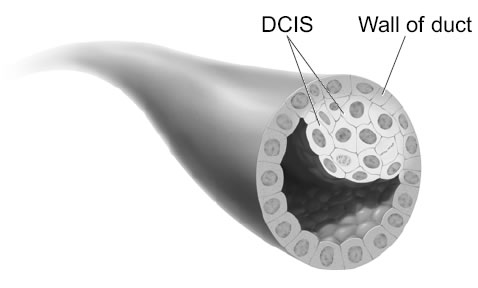
DCIS is a non-invasive cancer where abnormal cells have been found in the lining of the breast milk ducts.

A range of critics ripped the US Supreme Court’s ruling in favor of Monsanto over Roundup cancer victims as a tragic setback for public health—and also took aim at Trump for his part.

We devised a way to add a protective shield over anticancer immune cells, allowing them to enter cancer’s neighborhood unscathed and decapitate tumors.

The study, known as the OPTIMA trial, showed adding chemotherapy to endocrine therapy provided no added benefit to some patients with high clinical risk.

These soothing summer foods can help manage the side effects from cancer treatment, while helping you keep up your strength.

About 80% of 115 products tested show levels of Pfas that comply with rules – but some firms still exceeding limits

Sunscreens made with other chemical ingredients such as oxybenzone and dioxybenzone are still available to the public, but remain under safety review by the FDA.

Soy compounds called isoflavones are among the plant-derived compounds that may significantly reduce the risk of breast cancer recurrence or death, according to a new meta-analysis co-directed by investigators from the Johns Hopkins Kimmel Cancer Center. The results were published Jan. 10 in the journal JNCI Cancer Spectrum.

Federal agency to use herbicide to clear lands for replanting after 2021 Caldor fire – but public reaction to plan is fierce

One study found that cacao has more antioxidant activity than blueberries, acai, or pomegranates. Yes, you read that right. The delicious brown stuff beats the trendy purple stuff.

Pfas are a class of at least 16,000 compounds most frequently used to make products water-, stain- and grease-resistant. They have been linked to cancer, birth defects, decreased immunity, high cholesterol, kidney disease and a range of other serious health problems. They are dubbed “forever chemicals” because they can persist for thousands of years in […]
Some breast cancers may be more likely to come back as metastatic disease five to 10 years after surgery in people ages 35 and younger.

In a 7-2 ruling in Monsanto Co. v. Durnell, the Court held that federal pesticide law (FIFRA) preempts state-law “failure-to-warn” claims. This means companies cannot be sued under state law for not including cancer warnings on Roundup labels — as long as the EPA has not required such warnings..
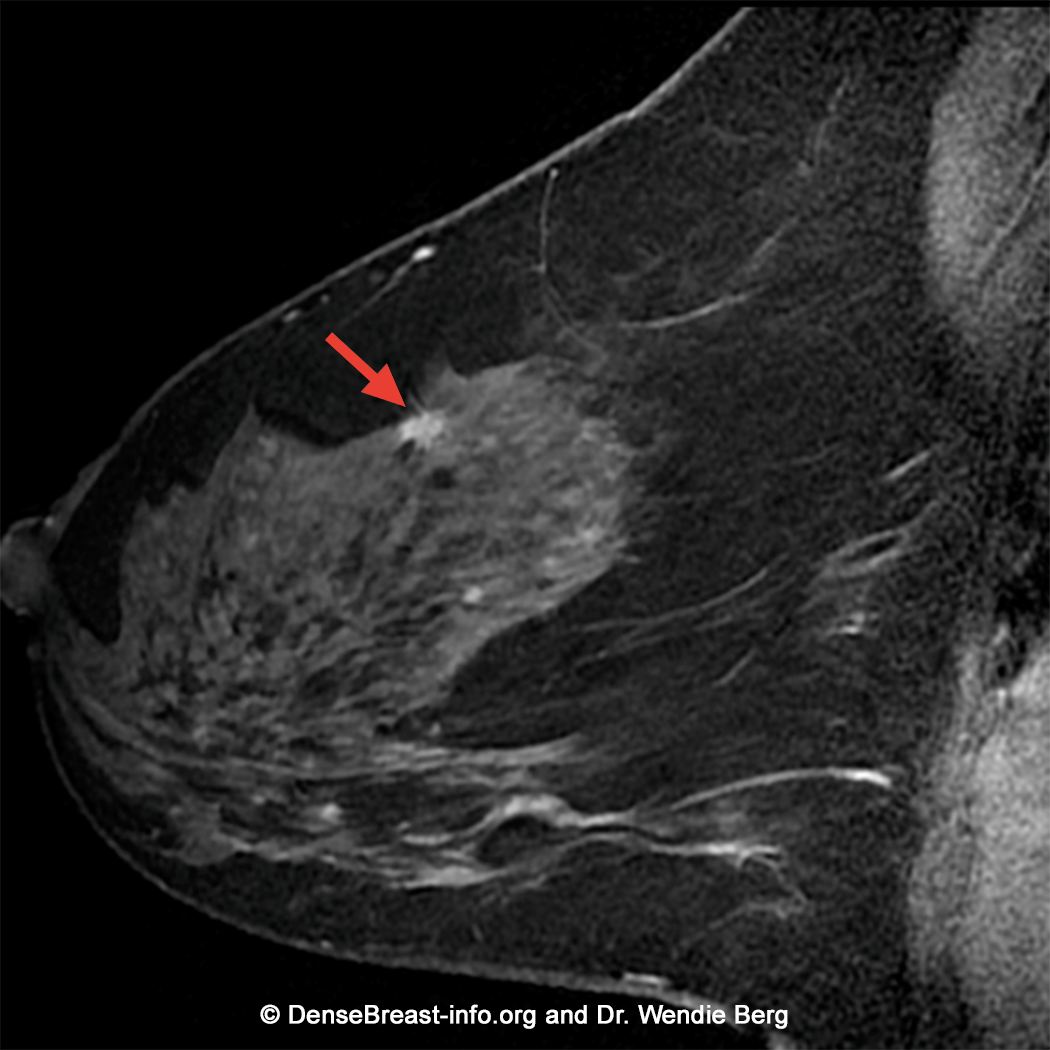
Supplemental MRI screening for women with dense breasts saves lives but may also lead to more false alarms.

This year, U.S. cancer registries will recognize only “male” and “female” sexes in their databases. The move, as was first reported by KFF Health News, could have long-term negative effects on the health of transgender people.

According to a new analysis by the nonprofit Environmental Working Group, around half of California’s water is contaminated by PFAS, often called “forever chemicals” for their incredibly long lifespan. The EWG report was compiled using state and federal data, finding that up to 50 percent of surface water samples, and anywhere from 45 to 55 […]

Stanford Medicine scientists devised a cancer imaging technology that opens doors to new research questions and precision medicine.